 EN


Programme design
Mapping of streams, participants, return points, frequency and applicable requirements.

Programme 03
Connect collections, operators and destinations in a routine for returning products and materials, with flow monitoring and close-out by period.
What we do
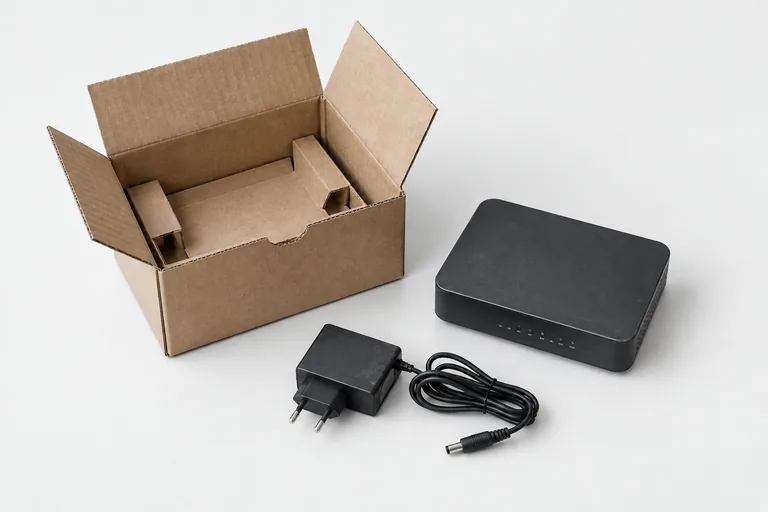
Managed reverse logistics coordinates the participants, movements and information in a return programme, including disposal and recycling of electrical and electronic equipment. Circuvia structures the network, monitors the operation, handles incidents and reconciles physical data and documents according to the product, territory and customer scope.
Scope and deliverables
Mapping of streams, participants, return points, frequency and applicable requirements.
Scheduling, receiving capacity, packaging, custody, incidents and contingencies.
Links between origin, movement, receipt, treatment and relevant documentation.
Indicators, meetings, outstanding issues, service levels and a programme improvement plan.

Packaging, custody and identification must connect to scheduling and receipt.
An important decision
Collection, receipt, processing and destination are different events. A reliable programme links these events to the same stream and keeps exceptions visible until resolved. Required documentation depends on the applicable classification and contracted scope.
Origin, batch, quantity and party responsible for transfer.
Verified quantity and identified discrepancies.
Events, operators and documents linked to the stream.
Reconciled quantities, documents and outstanding issues.
The same batch connects the events. Discrepancies remain identified until resolved.
The service pathway
Collection, receipt and destination are different events. The flow closes when evidence and outstanding items are reconciled.
Batch · quantity · owner · document
Select a stage to highlight its connections.
Identify products, regions, volumes and participation criteria.
Packaging, time window, operator and collection record.
Check lot and quantities; track treatment and outbound routes.
Link collection, receipt, destination and period records.
Consolidate execution, results and information for the next cycle.
Review quantities, records or incidents with responsible parties.
Understand the programme's products, regions, volumes and participants.
Define operators, requirements, contracts, events and documentation.
Control returns, handle discrepancies and update responsible parties.
Consolidate what was executed, its evidence and outstanding issues for the cycle.
Frequently asked questions
Collection is organised with the operators defined for the route. Circuvia can coordinate scheduling, responsibilities, incidents and evidence verification within the contracted service.
The design considers requirements applicable to the product, generator and activity. The applicable classification is defined in the project; contracting management does not automatically transfer all of the company's legal obligations.
Yes. The work can integrate the existing network, review gaps and add capabilities where needed.
Circuvia focuses on structuring solutions for businesses. Consumer service depends on the existence and rules of a specific programme.
Talk to Circuvia
Tell us about your challenge in materials, operations, strategy or ESG. We will understand your needs and define the next step.
Structure my reverse logistics


